Free Range New Age Music

New Age music is everywhere, if you know where to look.

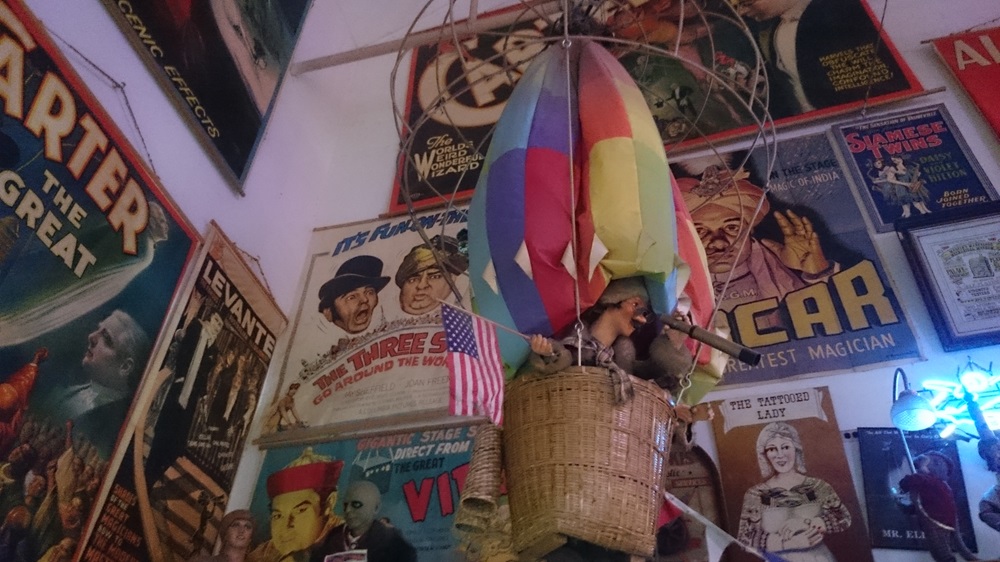
We’ve explored the depths of RateYourMusic, and the outer reaches of the Jamendo Music archive. But all New Age pilgrims know that the best visionary music is found “in the wild”.

This is a roundup of some of the New Age albums I’ve found by chance while out and about – usually in charity shops.

It’s common to find albums by Enya and Enigma in second hand shops. But if you’re lucky, you’ll find something more unusual – something you probably would never have encountered by any other means.

We’re not talking about those omnipresent Pan Pipe Tribute to the Beatles albums. Who buys those, and why? Even I have my standards. Though I regret not buying one I recently found called Ocean Tchaikovsky – the composer’s melodies set to ocean waves. What might have been.

I was going to call this series – for it will be a series – Car Boot New Age, as a tribute to Nightmares on Wax. But I am yet to find any New Age music at a car boot sale. One day. One day.

Continue reading

The Desert Needs a Beer

What’s my age again?

There’s a game some people like to play whenever Coachella unveils the lineup of that year’s festival. You can work out your “musical age” by subtracting from 80 the number of names you recognise on the poster.

Based on the 2025 poster, my musical age is 46. But if I were to calculate it based on the number of acts I’d be interested in watching… hmm!

See for yourself:

The higher your “musical age”, the more you might relate to what follows.

Continue reading

You’re Testing My Mettle, Man

The Monsters of Rock lay down their arms as a rabid dog approached the battlefield looking for a pat on the head. The Download Festival was born.

Why “Download”? Because at the time, people thought that downloading was killing music. So to label a music festival against such a force of evil was a daring move, presumably. Because that’s what metal’s all about: SHOCK. But it raises the question: If the Download Festival were started in 2023 rather than 2003, would they have called it the Streaming Festival?

I’ve only been once, and even then I only went for one day. It was 2019, and the opportunity to see Tool and Smashing Pumpkins on the same day was too good to miss. It was a beautiful day. Everyone was friendly, and everyone was there for the music. I saw more devil horns than smartphones held aloft, and the bars had the Iron Maiden Trooper ale on tap.

Also, Download has a mascot: The Download Dog. He started life looking like an unfortunate victim of experiments in canine ESP. Over the years, he’s also appeared as a sort of FrankenDog, as a snarling pink puppy, and as a skeleton. When he makes public appearances, though, he’s a giant red naked bodybuilder with studded bracelets who, despite his leer and his bulging muscles, looks to be quite cuddly.

All festivals should have a mascot. The Glastonbury Wizard. The Reading Bookworm. The Latitude Accountant. In fact, every business and brand in the land should have a mascot. They help, in a way.

So I’m down with The Download Festival. And that’s why I decided to listen to every band and artist that ever played Download Festival. What else am I going to do with my Spotify subscription?

Continue reading

Reading Before The Fall

What Happened to The Reading and Leeds Festivals?

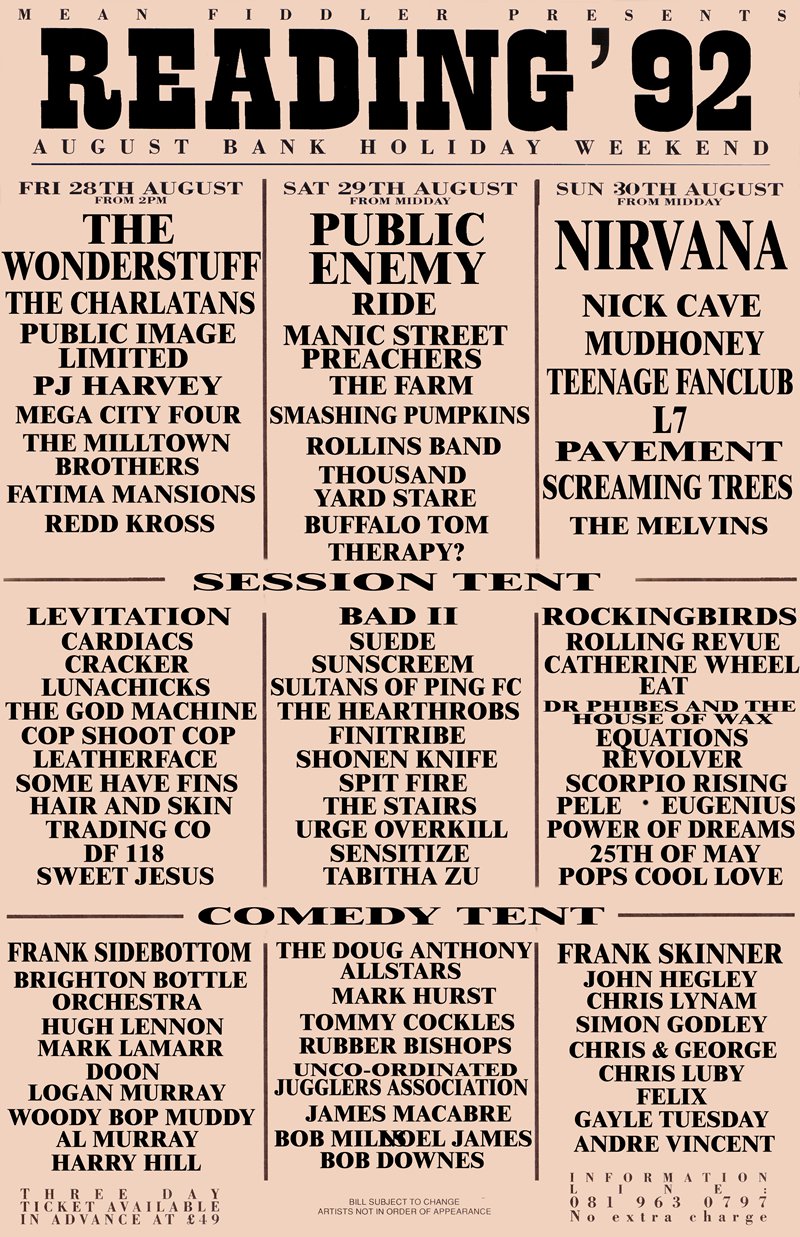
Every year, as the August Bank Holiday weekend approaches, the Shiiine On Festival shares an old Reading & Leeds lineup to their Instagram.

Something like this:

You can imagine the comments. Some just offer a single word. “Classic,” or similar. Some share fond memories. This is often something along the lines of, “I can’t remember much but I’m told I had a good time”. They were drunk, you see.

But others say something along the lines of “what happened?”

And you get similar comments whenever Reading and Leeds post lineup updates to their own social media profiles. “What happened?”

What happened, indeed?

Continue reading

Stay Classy, Mark Isham

Mark Isham Self Titled

The 1991 Grammy Award for Best New Age Performance went to the man of the movies, Mark Isham!

Mark Isham’s just a guy who can’t say no. He’s recorded a number of superb ambient jazz albums. By 1991, two of these had already been nominated for New Age Grammy awards: 1988’s Castalia and 1990’s Tibet. But he’s mainly known for his soundtrack work.

Since 1983, he’s been involved in at least 137 soundtrack recordings. And looking at his CV, I have to wonder: Has he ever turned any work down?

He’s not just prolific. He’s a machine. And the sheer diversity of the projects he’s taken on suggests that he has no filter. He’s scored trashy action flicks (Point Break, Timecop)slick horror (Blade, The Crazies); kids’ films (Thumbelina, Duck Duck Go); a surprising number of animal adventures (Racing Stripes, Fly Away Home); and enough thrillers and dramas to fill the recent releases racks at your nearest Pick a Flick.

I haven’t seen many of the films he’s scored. And for those I have seen, I can’t really remember the music. Maybe seasoned Mark fans can detect “the Isham touch” in everything he does. But I wonder just how much of himself he puts into his film work.

When scoring a film, I suppose it makes sense to serve the scene, rather than yourself. And it seems that when Mark does add a personal touch to his soundtrack work, he has limited success. For example, his score for Waterworld was rejected for being “too ethnic and bleak”. All that remains from his contribution to the film is that haunting music box melody. The rest is all generic action film bombast.

While I wouldn’t use such adjectives myself to describe what I’ve heard of his solo work, I can understand how someone might listen to Tibet and describe it as “ethnic and bleak”. So perhaps there are two sides to Mr. Isham. The film stuff? That’s his day job. That’s bacon. But his solo work? That’s the real Mr. Isham. That’s where he bares his soul and dares you to look.

Today we’re looking at Mark’s 1990 album, Mark Isham. It’s so personal that Mark saw no alternative but to name it after himself. No worldly concepts or distant lands to hide behind here. It’s like he’s saying: This is me. Hear me. Judge me. Love me. And for this he won the 1991 Grammy Award for Best New Age Performance.

A worthy win? Or should Mark have stuck to the day job? Let’s find out!

Continue reading

Jesus Christ, Peter Gabriel

Peter Gabriel Passion New Age Grammy

The New Age Grammy enters the 90s. Peter Gabriel is a worthy winner. But a new age hyperstar is waiting in the wings…

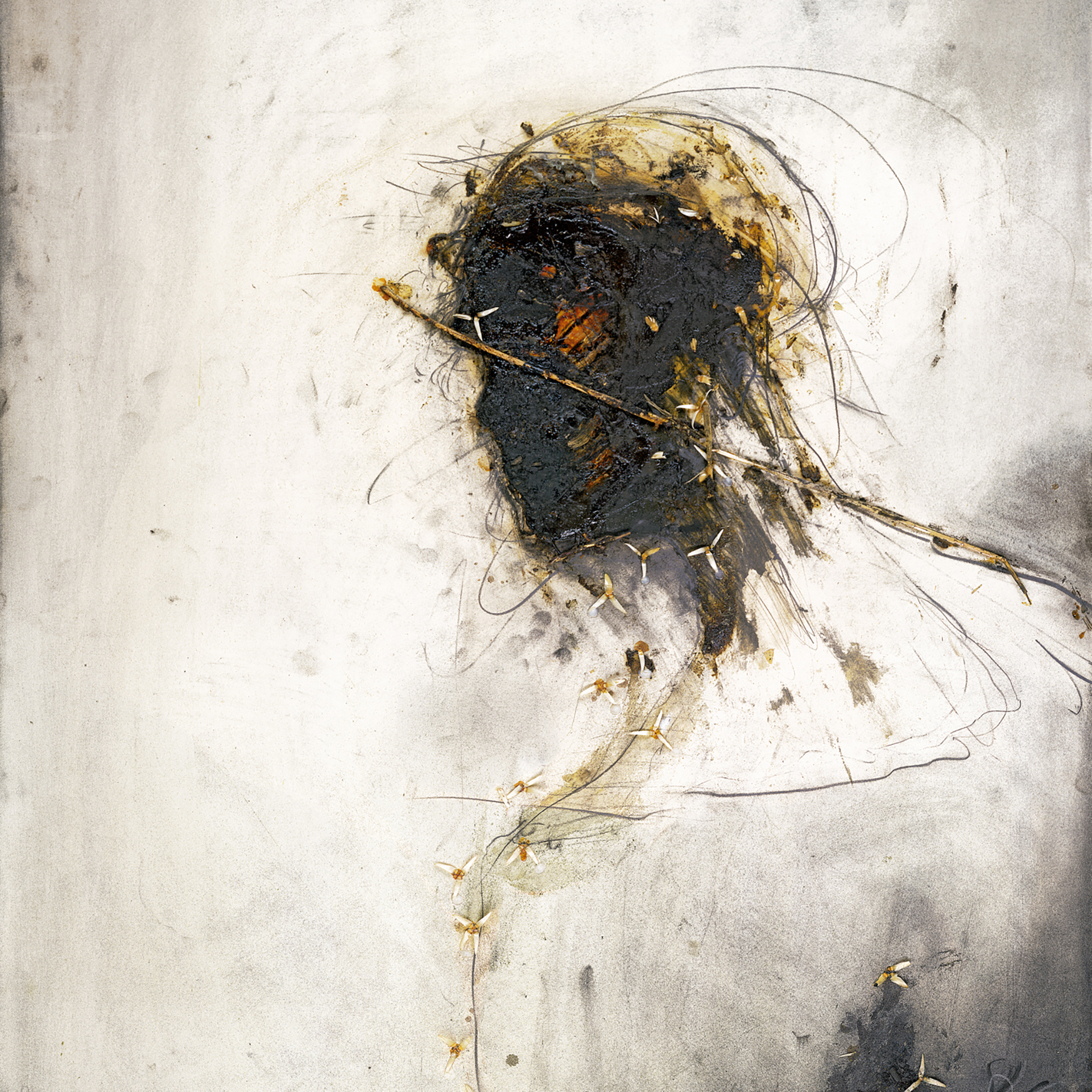
Peter Gabriel’s Passion is a landmark album. It was the first album ever released on his Real World label. That means it was the first CD to have that lovely earthy rainbow spine. It was the moment WOMAD became an institution, rather than a financial disaster that could only be rescued by the power of prog. And it was very likely the first time many in the west were exposed to the music of Nusrat Fateh Ali Khan, Youssou N’Dour, and Baaba Maal.

It also marked the first time the Grammy Award for Best New Age Recording was won by a superstar – and I don’t mean Jesus Christ.

Peter Gabriel isn’t cool now, and he wasn’t cool then. He was and is the exact opposite of cool, and that’s what makes him so wonderful. But though he wasn’t cool in 1989, he was certainly respected. This was three years after So, which went triple platinum in the UK and five times platinum in the US. It was the same year In Your Eyes achieved immortality when it was blasted from a stereo held aloft by John Cusack in Cameron Crowe’s Say Anything. And the album in question was the soundtrack to a Scorsese film about Jesus.

No question about it, Passion was an Important Album by An Artist of Note. And it won the New Age Grammy! In previous years, the award went to an eccentric harpist, a jazz veteran and a “chamber jazz” band. In 1990, it was won by an artist everyone knew, and millions loved. Did this legitamise the award, and the genre? Is this the year new age went mainstream?

If the creation of this award was a year zero for new age music, then 1990 was the year the genre came of age. If the term “new age” ever meant anything other than candles, dolphins, crystals and incense, after 1990 it could never mean anything else.

But was the album that forever cemented the idea of new age music any good? Let’s find out!

Continue reading

Shadowfax’s Gentle Canter

Shadowfax - Folk Songs for a Nuclear Village

Middle Earth or Middle Age?

Poor Windham Hill Records. When the Grammy Award for Best Folk Recording was first introduced in 1987, I imagine they started clearing space on the mantelpiece. It must have felt like this new award was created just for them! After all, they were the multi-million selling new age label that may have been responsible for getting the academy to create the new category in the first place.

But despite having two separate label compilations nominated in the first awards, Windham Hill took nothing home. They had a number of horses in the race for the award’s second year, too. Alas, once more, no Grammy for Windham Hill.

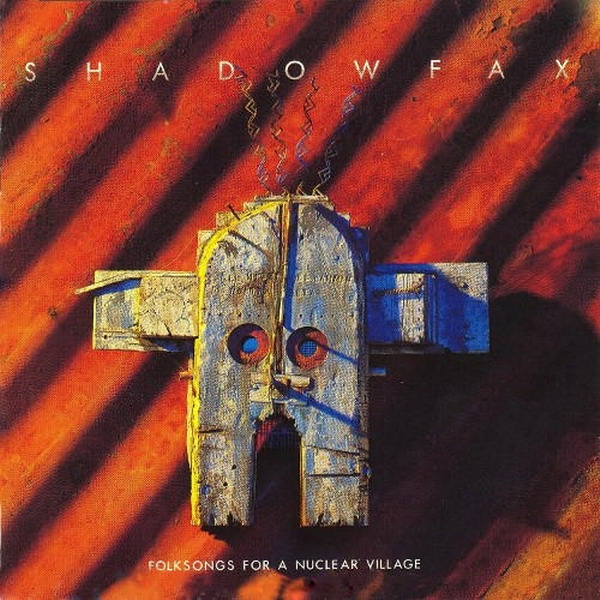
Windham Hill missed out on a Grammy at the 1989 awards, too. That year, they didn’t stand a chance: Not a single release from their roster got a nomination. And to add insult to injury? The album that did win, Shadowfax’s Folksongs for a Nuclear Village, was the band’s first album not to be released on Windham Hill!

That must have stung. Many an empty beer can must have been thrown at the TV screen in the Windham Hill office when the 1989 New Age Grammy award winners were revealed.

But what of the album? Was it a worthy winner, or were Windham Hill justified in their (totally imagined by me) contempt?

Let’s find out!

Continue reading

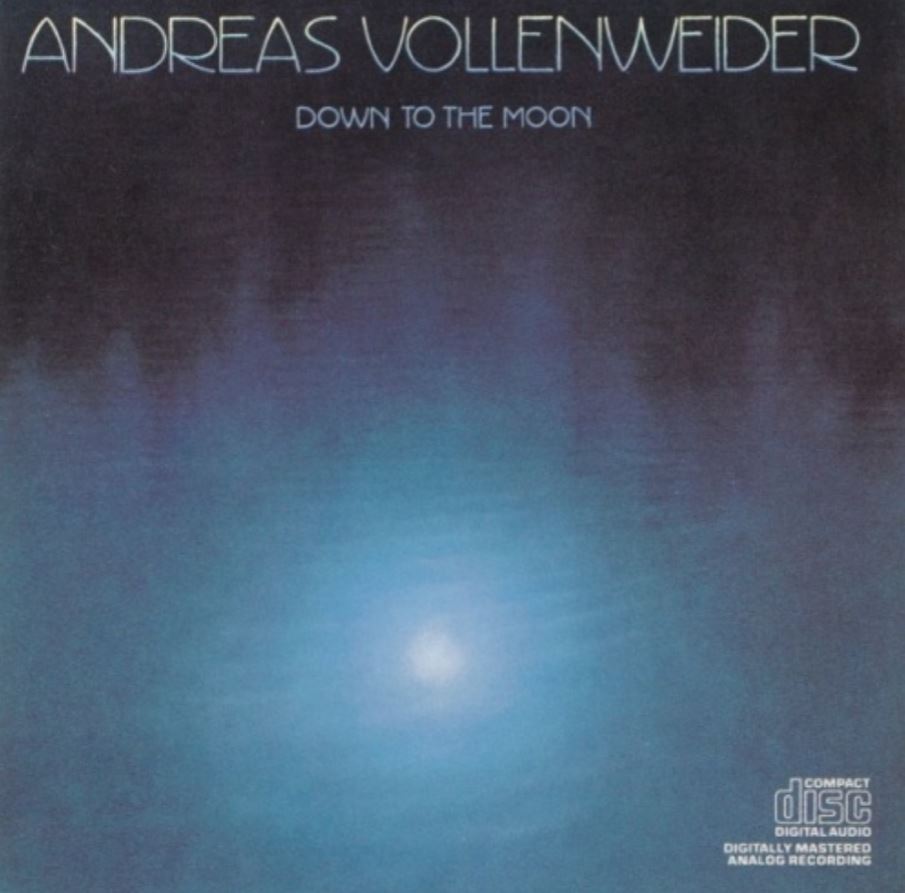
Andreas Vollenweider’s Moonage Daydream

Andreas Vollenweider Down to the Moon

The winner of the inaugural Grammy for Best New Age Recording is a slap bass neon fairytale, with bells.

In an attempt to better understand what makes New Age Music New Age Music, I’m going to study ever album that ever won the Grammy Award for Best New Age Album.

I’m calling this project the New Age Grammy Challenge: Healing Assessments of Musicians Perceived as Awful, or NAGCHAMPA for short.

Or maybe I’ll just refer to it as my New Age Grammy Challenge Thing.

The Grammy Award for Best New Age Recording was introduced in 1987. The first ever award went to Swiss harpist Andreas Vollenweider for his 1986 album Down to the Moon. It’s a totally tropical deep dive into a muggy fairy realm. It’s the only album I can think of that could soundtrack both a magical fantasy adventure and a gritty ’80s cop drama. It sounds otherworldly, but it also sounds like pastel shirts in a neon mall.

If all the winners are this interesting, this is going to be a very fun challenge indeed.

Continue reading